

Last Updated: November 10, 2026
Quick Summary
Styling bold colors for beginners starts with one statement piece in a shade you love, such as cobalt blue, fuchsia, or emerald green. Pair it with neutrals like black, white, denim, or camel and keep the outfit to two or three colors. This makes bold colors feel intentional rather than overwhelming.
- Pick one statement color and wear it in a single piece.
- Use one bold piece, two neutral pieces, and one optional accent.
- Keep each outfit to two or three colors for a planned look.
- Repeat your bold color in a small accessory to tie the look together.
- Try one outfit formula per week to find combinations that suit you.
Table of Contents
- How to Start Wearing Bold Colors Without Feeling Overdressed
- Choosing One Statement Color as Your Starting Point
- Balancing Bright Shades With Neutrals
- How to Mix and Match Colors in Clothes
- Color Blocking Outfits for Beginners
- How to Accessorize a Colorful Outfit
- Booking Your First Bold Look: Pieces to Start With at Dress Code: HER
- Frequently Asked Questions
How to Start Wearing Bold Colors Without Feeling Overdressed
Bold colors can feel intimidating, but styling bold colors for beginners is simpler than most people expect. At Dress Code: HER Boutique, we believe every woman should feel stylish, powerful, and completely herself in what she wears. Bright shades are not reserved for fashion insiders. They are a tool any wardrobe can use.
The trick is to start small. A single bold piece, paired with familiar basics, gives you the confidence to build from there. If you want guidance on feeling confident in bold styling, including in larger sizes, read How Can You Style Bold Plus Size Outfits Confidently?.
Choosing One Statement Color as Your Starting Point
Your first step is picking one statement color. This becomes the focus of the outfit, while everything else stays calm. Think of it as the star of the look.
Good starting colors for beginners include:
- Cobalt blue or royal blue
- Fuchsia or raspberry
- Emerald or jade green
- Mustard or marigold yellow
- Tangerine or coral
Choose a color you already feel drawn to. Browse the shelves and notice what makes you pause. That instinct is a useful guide.
Once you pick your color, wear it in one piece only. A bold top, a statement skirt, or a colorful bag can work well. Keep the rest of the outfit simple.
Here is a quick reference for the starting colors the article suggests for beginners.
| Starting color | Example pairing | Role in the outfit |
|---|---|---|
| Cobalt blue or royal blue | Blue top with dark denim | Statement piece |
| Fuchsia or raspberry | Fuchsia top with dark denim and camel coat | Statement piece |
| Emerald or jade green | Emerald skirt with white tee | Statement piece |
| Mustard or marigold yellow | Mustard top with navy skirt | Statement piece |
| Tangerine or coral | Warm shade with neutral basics | Statement piece |
Balancing Bright Shades With Neutrals
Neutrals are your safety net. Black, white, camel, denim, and grey all pair easily with bright shades. They let the bold color stand out without fighting for attention.
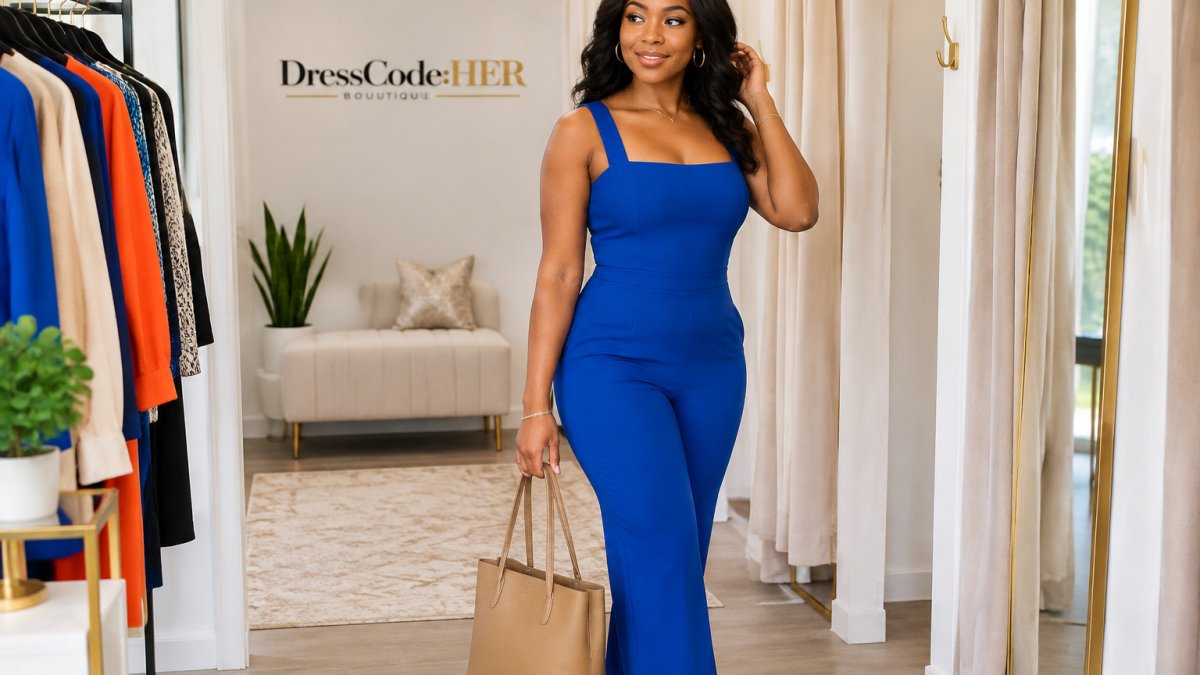
A simple formula works well: one bold piece, two neutral pieces, and one optional accent. For example, a fuchsia top with dark denim and a camel coat feels balanced and intentional.
Here is a quick guide to neutral pairings:
- Black: Makes bright shades look sharp and modern
- White: Keeps the look fresh and airy
- Camel or tan: Softens vivid colors for a warmer feel
- Denim: Works casually with almost any bright shade
The proportion matters too. More neutral space around the bold piece helps it look planned rather than loud.
How to Mix and Match Colors in Clothes
Mixing colors feels risky until you have a few formulas you can repeat. Color theory gives you a map, but most beginners need concrete combinations more than theory. Below are beginner-friendly outfit formulas that work for everyday life, plus the color-wheel basics that explain why they work.
Beginner Outfit Formulas You Can Repeat
These formulas use one bold color plus pieces you likely already own. Swap the bold shade for any color you love.
- Bold top + dark denim + neutral shoe. A cobalt blue blouse with dark-wash jeans and black flats. The denim and shoe act as anchors, so the blue reads as intentional rather than loud.
- Bold bottom + white tee + denim jacket. An emerald green midi skirt with a plain white tee and a light denim jacket. The white tee gives the eye a rest between the green and the jacket.
- Neutral base + bold layer + matching accent. A camel sweater and grey trousers with a fuchsia cardigan, plus a fuchsia hair clip or bag. Repeating the bold color in a small accent makes the outfit look planned.
- Monochrome in one color family. Light pink knit with deep raspberry trousers. Staying in one family removes the risk of clashing and is one of the easiest ways to wear color with confidence.
- Two bold colors + one neutral. Mustard yellow top with a navy skirt and white sneakers. Two colors feel energetic; the white sneaker keeps the look grounded.
If you are unsure, count the colors in the mirror. Two or three is a good range for beginners.
Using the Color Wheel for Pairings That Work
The color wheel shows how colors relate. Two pairings are especially useful when you are starting out:
- Complementary colors sit across from each other, like blue and orange or purple and yellow. They create strong contrast and energy. Use them in unequal amounts, such as a bold blue top with a small orange bag, so the contrast feels deliberate rather than costume-like.
- Analogous colors sit next to each other, like blue and teal or pink and red. They create a calmer, more harmonious look and are forgiving for beginners because the shades already relate.
Monochromatic outfits use different shades of one color, like light pink with deep raspberry. This is one of the easiest ways to wear color with confidence because the palette stays unified.
Watch out: Pairing two bright complementary colors in equal, large blocks can feel overwhelming on a first try. Start with one bold piece and let the second color appear in a smaller accessory.
Limiting Your Outfit to Two or Three Colors
Keeping your palette small is the most reliable rule for beginners. An outfit with two or three colors looks deliberate. An outfit with five or six colors can look busy, even when each piece is lovely on its own.
Count your colors before you leave the house. If you have more than three, remove one piece or swap it for a neutral. A printed piece counts as multiple colors, so treat a bold print as your statement and keep everything else solid.
Color Blocking Outfits for Beginners
Color blocking means combining large areas of solid, contrasting colors. It sounds bold, but it is one of the most approachable techniques once you know the basics. The key is to keep the blocks clean and the color count low. Two blocks work better than four, and solid pieces work better than prints when you are starting out.
Simple Color Block Combinations to Try
- Two-color block with a neutral bridge. A cobalt blue top with a mustard yellow skirt, plus a white sneaker or nude sandal. The neutral shoe gives the eye a resting point between the two bold blocks.
- One bold block, one neutral block. An emerald green midi skirt with a cream sweater. This is the safest entry point because only one large area is bold.
- Vertical color blocking. A bold top and a bold bottom in related shades, such as fuchsia and raspberry, with a neutral belt at the waist. The belt separates the blocks and defines the silhouette.
- Color block dress or jumpsuit. A single piece with built-in color blocking removes the guesswork. Wear it with minimal accessories and let the design do the work.
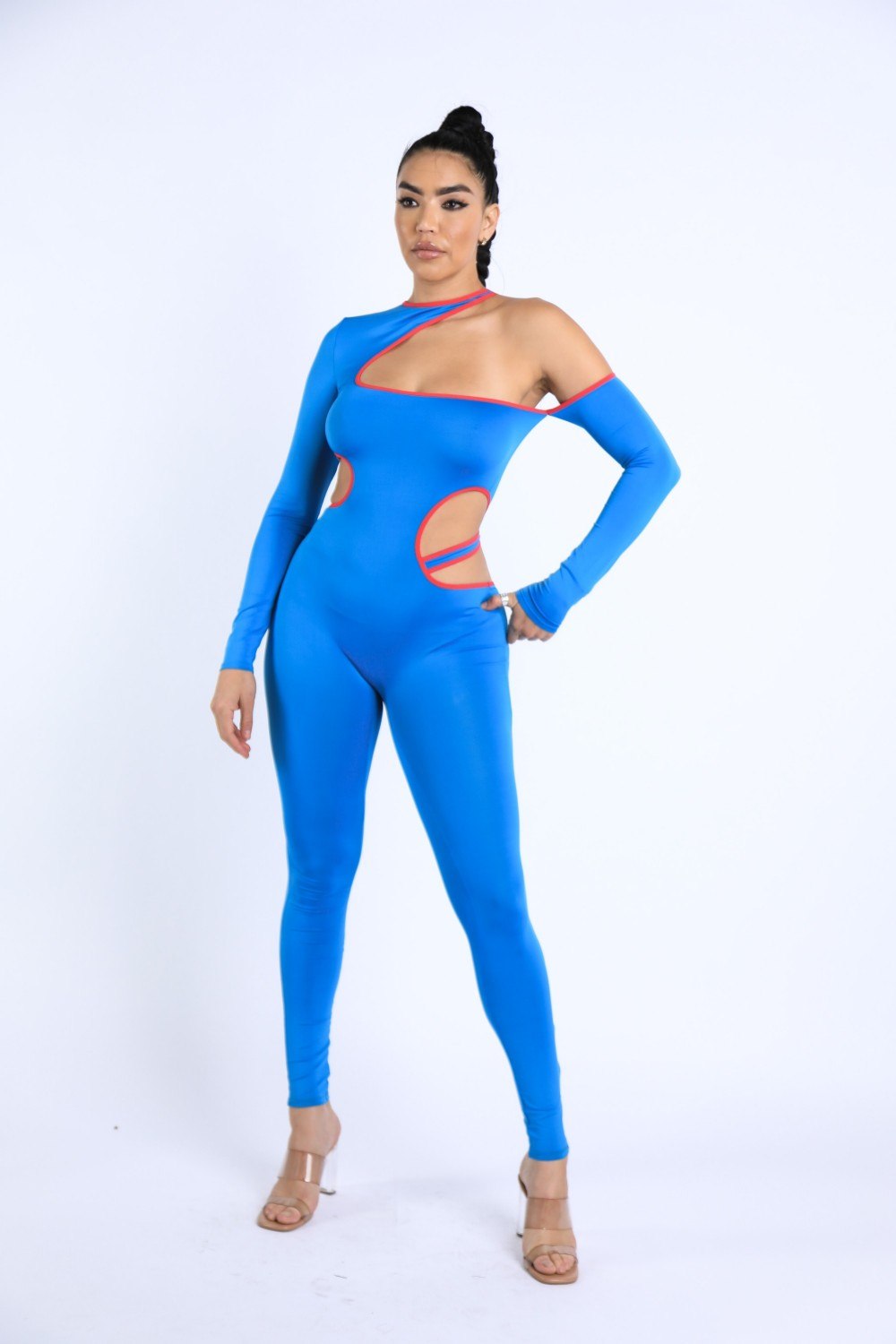
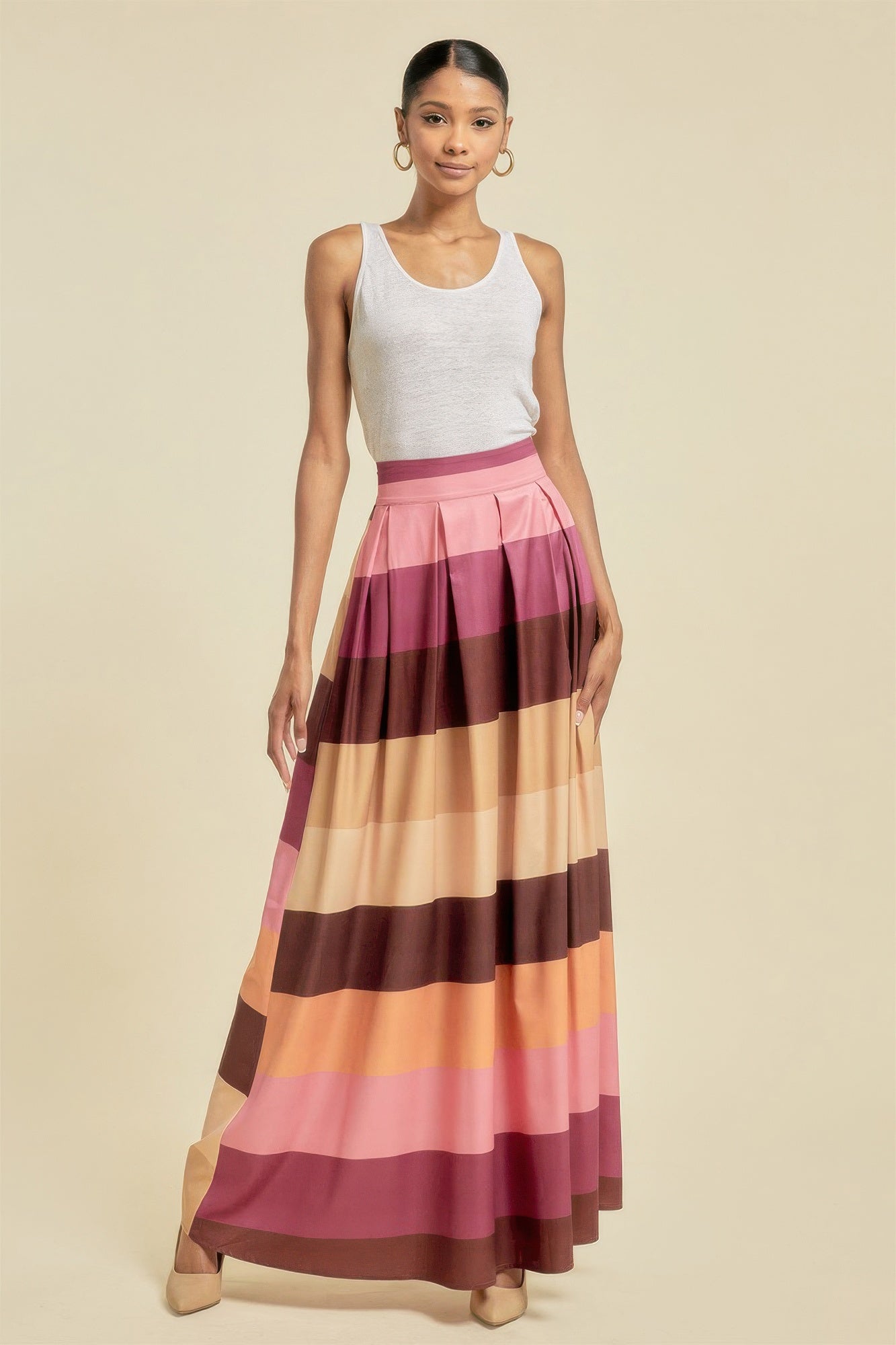
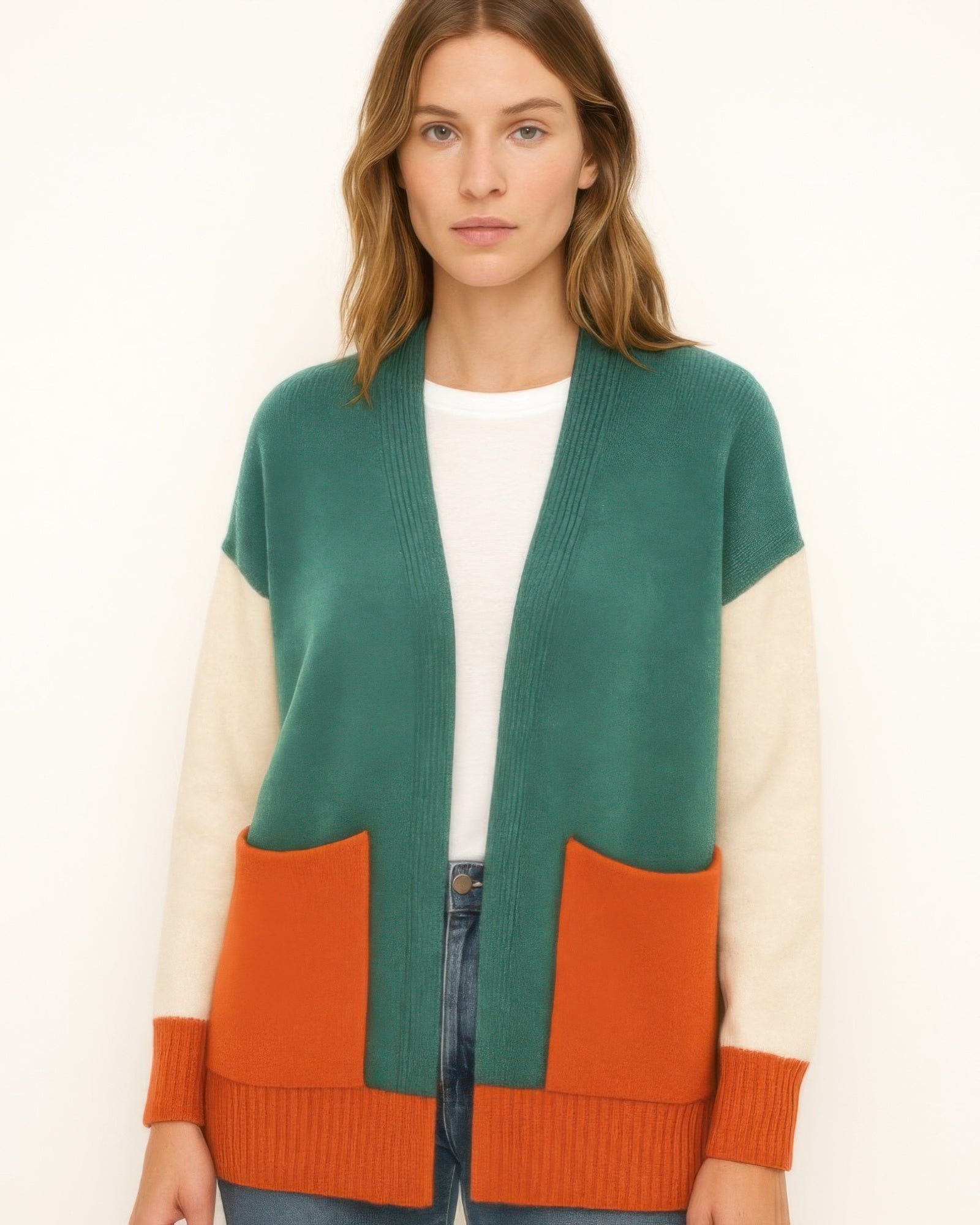
A good beginner option is a color block maxi skirt with pockets, which pairs easily with a neutral tee or a simple sweater. For a layered look, a color block open cardigan works over a plain top and jeans or leggings. For a single-piece option, a color binding detailed cutout jumpsuit gives you bold color and structure in one outfit.
Common Beginner Mistakes and How to Fix Them
Even with good formulas, a few things commonly go wrong. Here is how to troubleshoot them.
- The outfit feels too loud. Remove one bold piece and replace it with a neutral. If you are wearing a bold top and a bold bottom, swap the bottom for denim or black trousers.
- The colors seem to clash. Check whether the shades share an undertone. Warm shades like mustard and coral usually sit well together; cool shades like cobalt and emerald usually do too. If they still fight, add a neutral layer such as a white tee or camel cardigan between them.
- The look feels uncomfortable or costumey. Reduce the number of bold pieces to one and repeat that color in a small accessory, like a bag or hair clip. Repetition makes the color look intentional.
- You are not sure it works for your workplace. Choose one bold piece in a conservative cut, such as a bold blouse with neutral trousers, and keep accessories minimal. Save the two-bold-color combinations for weekends or social occasions.
- You bought a bold piece but never wear it. Build three outfits around it before buying anything else. If you cannot make three with what you own, the piece may not fit your daily life.
Try one formula per week and notice which combinations feel most like you.
How to Accessorize a Colorful Outfit
Accessories let you add color without overwhelming the look. They are also easy to swap, which makes them a low-risk way to experiment.
Try these simple rules:
- Choose one accessory in the same color as your statement piece to tie the look together
- Use neutral metals like gold or silver to keep things balanced
- Add texture through bags or belts rather than more color
The Multi Color Poly Woven Bag is a good example. It brings several shades into one piece, so it can connect to many bright outfits. Pair it with a neutral base to let it shine.
Shoes are another strong option. Black or nude shoes keep the focus on your bold piece, while a matching bright shoe makes a more playful statement.
Booking Your First Bold Look: Pieces to Start With at Dress Code: HER
Ready to try it? Start with pieces that make the process easy. Our Color Block Maxi Skirt With Pockets combines a bold color-block design with practical pockets and pairs with simple tops.
If you want a layering piece, the Color Block Open Cardigan adds color without a lot of effort. Wear it over a neutral outfit and you have an instant bold look.
For a complete outfit in one piece, the Color Binding Detailed Cutout Jumpsuit is a confident pick. Pair it with neutral accessories and keep the rest of your look simple.
Finally, the Multi Color Poly Woven Bag can bring bold color into everyday outfits. Browse our full collection to find the pieces that feel like you.
If you are not sure how to start, look at what you already own. Choose one piece in a bold shade, add your neutrals, and build from there. Confidence grows with every outfit you try.
Get started with Dress Code: HER Boutique and find statement pieces that help you feel stylish and completely yourself.
Frequently Asked Questions
How do you style bold colors without looking overdressed?
Pick one bold shade and keep everything else quiet. Anchor the look with black, white, denim or camel, and let the statement piece do the work. A bright jumpsuit or maxi skirt with a plain tee or cardigan feels deliberate rather than busy. Try the bold piece with a simple neutral layer first, then add a second bright only once the first feels comfortable. Most beginners find that a single bold item worn with calm basics looks confident, not overdressed.
What is the 3-3-3 rule for outfits?
The 3-3-3 rule is a simple guideline for building outfits: choose three main pieces, three accent items and three accessories. Applied to bold colors, it keeps the look controlled. Your three main pieces might include one bright statement item and two neutrals, while accent items and accessories repeat one of those colors. It works as a checklist rather than a strict law, and it helps beginners avoid adding too many competing shades to one look.
How can beginners mix bright colors in an outfit?
Start by limiting the outfit to two or three colors, including your neutrals. Use the color wheel: complementary colors such as blue and orange create strong contrast, while analogous colors such as pink and red blend more softly. If two brights clash, separate them with a neutral piece or a solid-colored layer. Repeating one bright shade in a bag, shoes or a belt can tie a multi-color look together.
