

Quick Summary
To dress with confidence, prioritize fit, comfort, and recognition over trends. Clothing shapes how you feel about yourself, so choose pieces that let you forget your outfit and focus on your day. Start by running a simple fit check before you leave the house.
- Check shoulder seams, waistlines and hemlines before any outfit leaves the closet.
- Tailoring a piece is often cheaper than replacing it entirely.
- Add one statement element to an outfit you already trust to test a bold look.
- Run any new purchase through a capsule filter: does it work with three things you own?
- Pick one outfit this week and wear it somewhere low-stakes first.
Table of Contents
- Why Clothing Affects How You Feel
- Start With Fit: The Foundation of Confident Dressing
- Find Your Personal Style Without Overthinking It
- Build a Capsule Wardrobe Essentials for Confidence
- How to Style Outfits for Body Image Struggles
- Modern Fashion Trends 2026 and How to Wear Them Your Way
- Your Next Step: Pick One Outfit to Wear This Week
- Frequently Asked Questions
Why Clothing Affects How You Feel
Last Updated: November 12, 2026
Learning how to dress with confidence starts with a simple observation: the clothes you put on in the morning shape how you carry yourself all day. Clothing signals to you, and to everyone around you, how you intend to show up.
Psychologists have a name for part of this effect. Enclothed cognition, the idea that the clothes we wear influence our thinking and behavior, is a well-studied area of research, and you can read the foundational work on it through Adam and Galinsky's study on enclothed cognition. The core finding is that what we wear changes how we perceive ourselves, not just how others perceive us.
That's the part most fashion advice skips. Trend lists tell you what to buy. They rarely explain why a particular outfit makes you stand taller in one meeting and shrink in another. The answer usually comes down to fit, comfort, and whether the outfit matches who you are that day.
Several things tend to matter more than the label or the trend:
- Fit: Clothing that pulls, gapes, or sits in the wrong place pulls your attention away from the moment.
- Comfort: You cannot project ease while you are tugging at a waistband.
- Recognition: An outfit that feels like you, rather than a costume, is the one you will reach for again.
Confidence in clothing is not about dressing for approval. It is about choosing pieces that let you forget your outfit and focus on the day ahead.
Start With Fit: The Foundation of Confident Dressing
Fit is the single most reliable lever for dressing with confidence.
Check where garments sit on your frame: shoulder seams should land at the edge of your shoulder, and hemlines and waistlines should hit where they are meant to. When a piece is close but not quite right, a tailor can often adjust hems, straps, and waists for a modest fee, usually cheaper than replacing the garment.
Fit also depends on the body you have today, not the one you had five years ago.
Here is a simple fit check to run before any outfit leaves the closet:
- Move your arms, sit down, and bend slightly. Does anything pull or ride up?
- Look at the seams. Do they lie flat, or do they pucker and strain?
- Check whether the garment's length works with your shoes and your day.
- Stand in front of a mirror in good light and notice how you feel, not just how you look.
Watch out: Buying a size down in the hope that a garment will "fit once you lose weight" is one of the most common ways people end up with a closet of clothes they never wear. Buy for the body you have, and let tailoring handle the rest.
Find Your Personal Style Without Overthinking It
Personal style is not a fixed identity you must discover before you can dress well. It develops through experimentation, and the fastest way to learn what suits you is to wear a few things and notice how you feel in them.
Many people freeze because they assume style requires a clear theory. It does not.
Bold choices can feel intimidating, especially if you are used to neutrals. Our guide to Styling Bold Colors for Beginners: A Step-by-Step Guide walks through this approach in more detail.
Borrow from the vocabulary of style rather than copying someone else's look wholesale. Ask what you like about an outfit, the texture, the proportion, the attitude, then translate that into pieces that fit your life.
Keep experiments low-stakes. Wear the new combination to a casual lunch before a major presentation, and notice what draws compliments and what makes you feel slightly off. Both are useful.
Build a Capsule Wardrobe Essentials for Confidence
A capsule wardrobe is a small, intentional set of pieces that work together. The point is not minimalism for its own sake but reducing decision fatigue so getting dressed feels easy and the clothes you own reliably make you feel good.
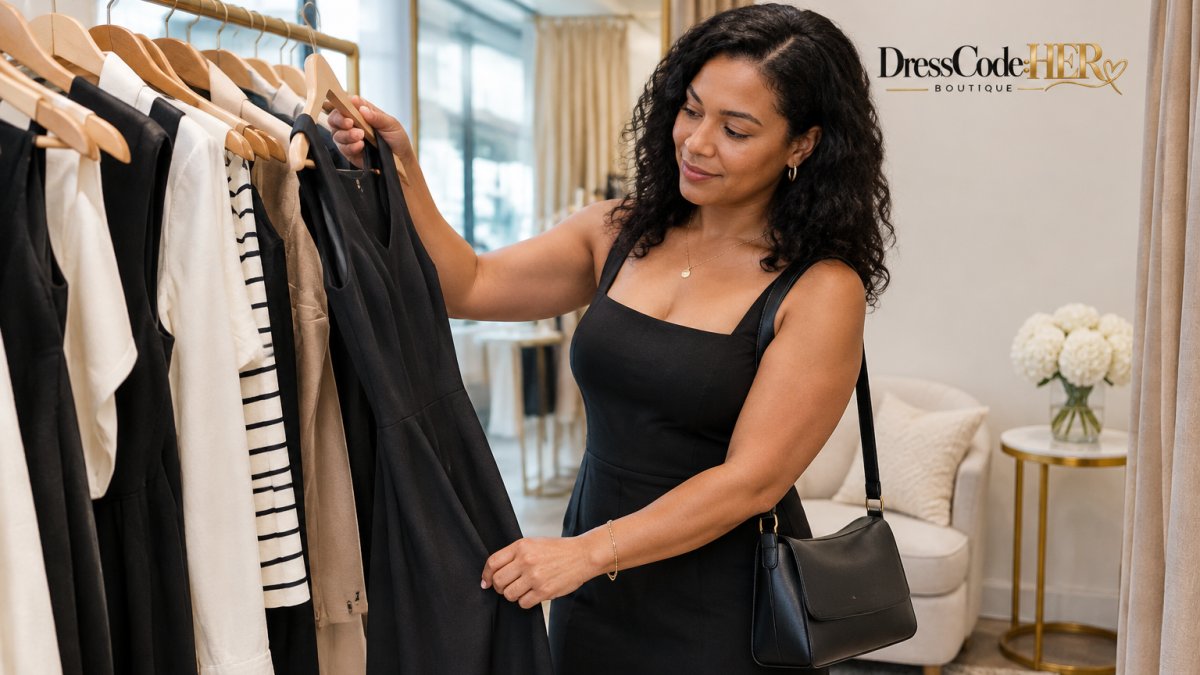
Start with a closet audit before you buy anything. Sort each piece into three piles: wears often and feels good, wears rarely but has a clear purpose, and never wears.
Once you know what you actually reach for, define your situations: work, weekend errands, social plans, occasional events. For each, identify one or two pieces that reliably make you feel put together, those become your anchors.
Before adding anything new, ask whether the piece works with at least three things you already own, fits the body you have today, has named situations you will wear it in, and would still be your choice if it were not on sale. If any answer is no, it is usually a pass. This one filter prevents most regret purchases that clutter a closet and undermine confidence.
A fit checklist helps here too. Check shoulder seams, waist placement, hem length, and whether the fabric pulls when you sit or reach.
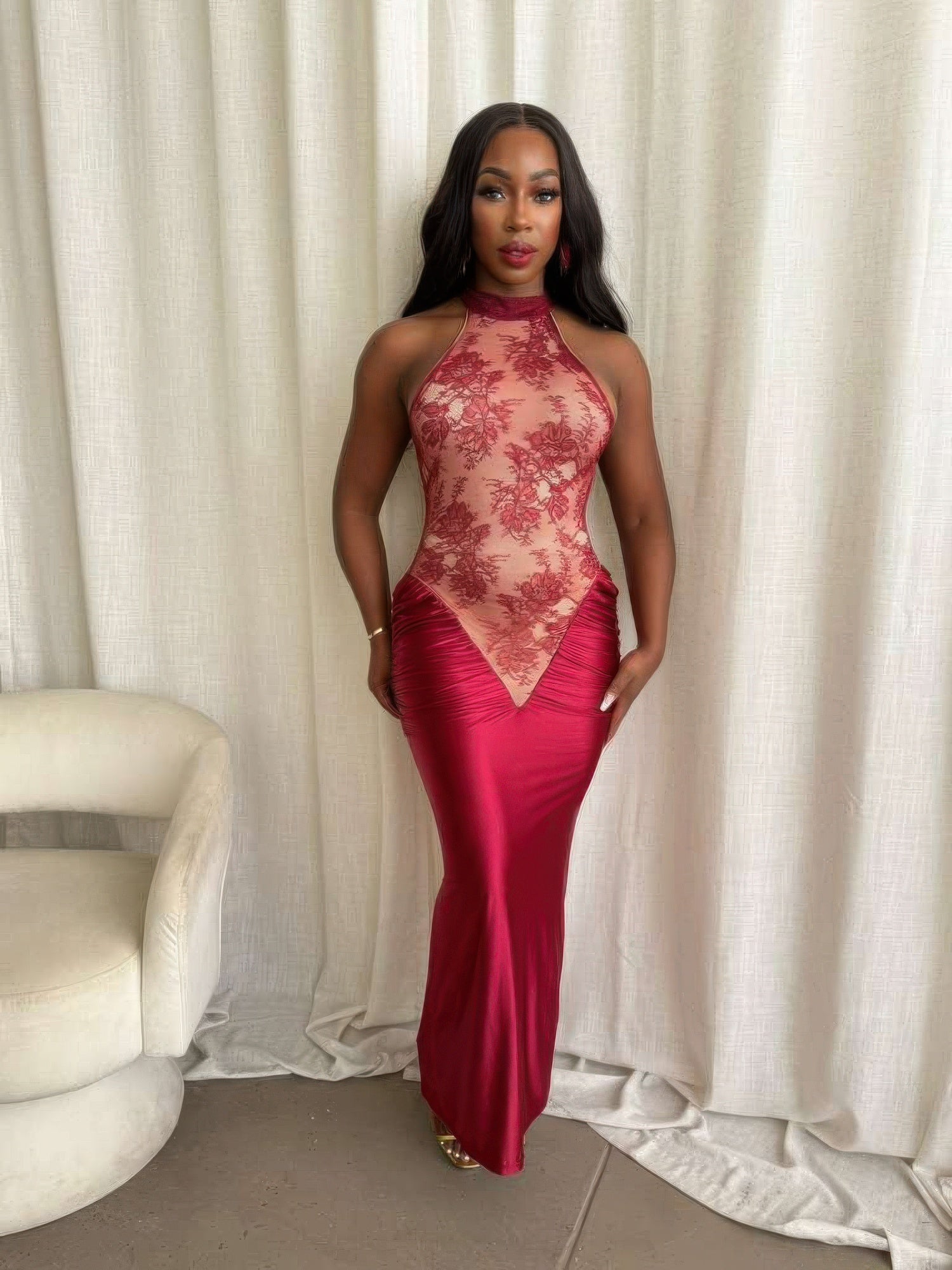
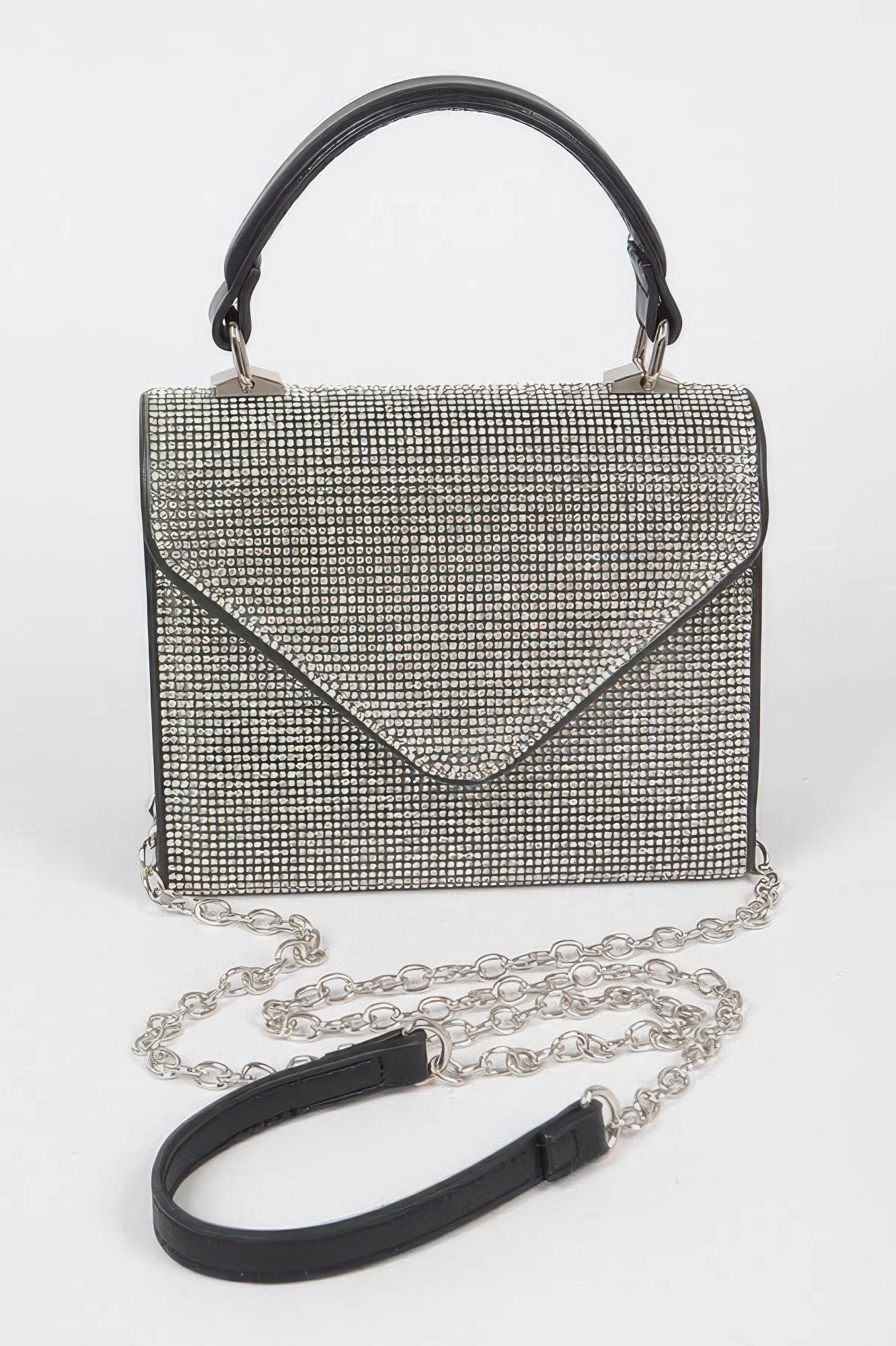
Accessories deserve special mention because they carry a lot of visual weight for relatively little money. Our Rhinestone Single Handle Bag and Sequins Flap Shoulder Bag are examples of pieces that add polish to evening and special-occasion looks. The Crimson Lace Hourglass Dress is a good example: its halter neckline, sheer floral lace, and ruched satin skirt create a sculpted shape without requiring a complicated outfit around it.
Build the system around your real life, audit before you add, and let each new piece earn its place by working with what you already trust.
The article's capsule wardrobe checklist gives a quick filter for deciding whether a new piece is worth buying.
| Check | Question to ask | Pass rule |
|---|---|---|
| Works with | Does it pair with at least three things you own? | Three or more |
| Fit | Does it fit the body you have today? | Yes |
| Use | Can you name situations you will wear it in? | At least one |
| Want | Would you still choose it if it were not on sale? | Yes |
How to Style Outfits for Body Image Struggles
Body image struggles are real, and they affect how people approach clothing. Dressing with confidence does not require loving every part of your body. It requires choosing clothes that respect your body as it is and give you options for days when you feel less sure.
Start by identifying which feelings show up most when you get dressed: worry about being looked at, discomfort with a particular area, or frustration that nothing fits. Naming the feeling makes it easier to address.
For the social anxiety itself, prepare a small response plan before you leave. Decide how you will handle a comment, a simple thank you, a light deflection, or a change of subject.
Inclusive dressing works across body types, ages, genders, abilities, and budgets when the principles stay the same: fit, comfort, and a clear focal point.
Practical styling tips include:
- Choose one focal point per outfit, such as a statement earring or a bold top, so the eye has a clear place to land.
- Keep one reliable "safe" outfit for days when confidence is low, so you are never stuck without an option.
- Wear clothes that are comfortable enough to forget about, since discomfort is often what amplifies self-consciousness.
- Test a new outfit in a low-stakes setting first, such as an errand or a casual coffee, before wearing it to a higher-pressure event.
Above all, give yourself permission to change your mind. An outfit that felt right in the morning may feel wrong by evening, and swapping a piece is a perfectly reasonable response, not a failure.
Modern Fashion Trends 2026 and How to Wear Them Your Way
Modern fashion trends 2026 are most useful when you treat them as ingredients rather than rules. A trend that feels exciting on a runway can look costume-like when worn head to toe.
The clearest trend for 2026 is confidence in statement details: sparkle, sheer layers, sculpted silhouettes, and mixed textures. Rather than adopting every element at once, pick the one that matches your comfort level. If you like sparkle, add a glitter-finish bag to a neutral outfit.
Context matters too. Trend-forward pieces often work best for evenings and social events, where expression is welcome.
Our Modern Fashion Trends for 2026: 7 Looks to Wear Now breaks down several of these looks and how to adapt them, and the Stylish Vacation Outfits for Women: Shop by Destination guide shows how the same ideas work in travel settings.
The best way to wear any trend is to ask whether it makes you feel more like yourself. If the answer is yes, it belongs in your wardrobe. If not, leave it on the rack.
Your Next Step: Pick One Outfit to Wear This Week
Confidence in clothing grows through practice, not a single shopping trip. The most useful next step is small: choose one outfit this week that you would normally think twice about, and wear it.
Here is a simple plan to get started:
- Pick the outfit. Choose one combination from your closet, or one new piece you have been considering.
- Run the fit check. Confirm that nothing pulls, gapes, or rides up.
- Add one focal point. Pick a single accessory or detail to carry the look.
- Wear it somewhere low-stakes. Test it on an errand or casual plans before a bigger event.
- Note how you felt. Write down one sentence about how the outfit made you feel.
Repeat the process next week with a different combination. Over a few weeks, your notes will show which pieces, colors, and silhouettes consistently support your confidence.
If you are ready to build a few pieces around that goal, Dress Code: HER Boutique offers a curated collection of apparel, including plus sizes, swimwear, and accessories, designed to help you feel stylish and completely yourself. Start with one outfit, and let the rest follow. LEARN MORE
Frequently Asked Questions
What is the 3-3-3 rule for outfits?
The 3-3-3 rule is a quick check for building an outfit before you leave the house: choose three key pieces, three color or texture accents, and three accessories or finishing details. It keeps an outfit intentional without turning getting dressed into a long project. Start with one statement piece, such as a structured bag or a dress with a bold silhouette, then add neutral basics around it. Once the rule feels natural, you can skip the counting and simply notice whether the look feels balanced and like you.
How can I dress to look more confident at work?
Focus on fit and one element that makes you feel put together. Well-fitting tailored pieces in a color you enjoy usually project more confidence than an expensive outfit that pulls or sits awkwardly. Add one signature detail, like a polished bag or a sharp accessory, so the look feels chosen rather than default. If your workplace is conservative, keep the silhouette classic and let personality come through in color or texture. Wearing clothes you have already tested for comfort prevents the fidgeting that undermines presence.
How do I stop caring what others think about my outfit?
Start by noticing that most people are focused on their own appearance rather than evaluating yours. Dress in small, low-risk steps: wear one piece you find slightly bold with a familiar outfit, then observe how it actually goes. Keep a short list of outfits that made you feel good and the reasons why. Over time, your own reactions become more reliable than imagined judgment. If anxiety persists, remind yourself that the goal is feeling comfortable and expressing yourself, not winning approval from strangers.
How can I find my personal style if I don't know where to start?
Begin by collecting images of outfits you like and looking for repeated patterns in colors, silhouettes and fabrics. Then review what you already own and wear most often; those pieces show what feels natural. Pick two or three words that describe how you want to feel, such as relaxed, polished or playful, and use them to guide purchases. Experiment within one category at a time so you can see what works. Personal style develops through wearing clothes, noticing your reactions, and adjusting gradually.
